- 59 Harwoods Road Watford, United Kingdom WD18 7RQ United Kingdom
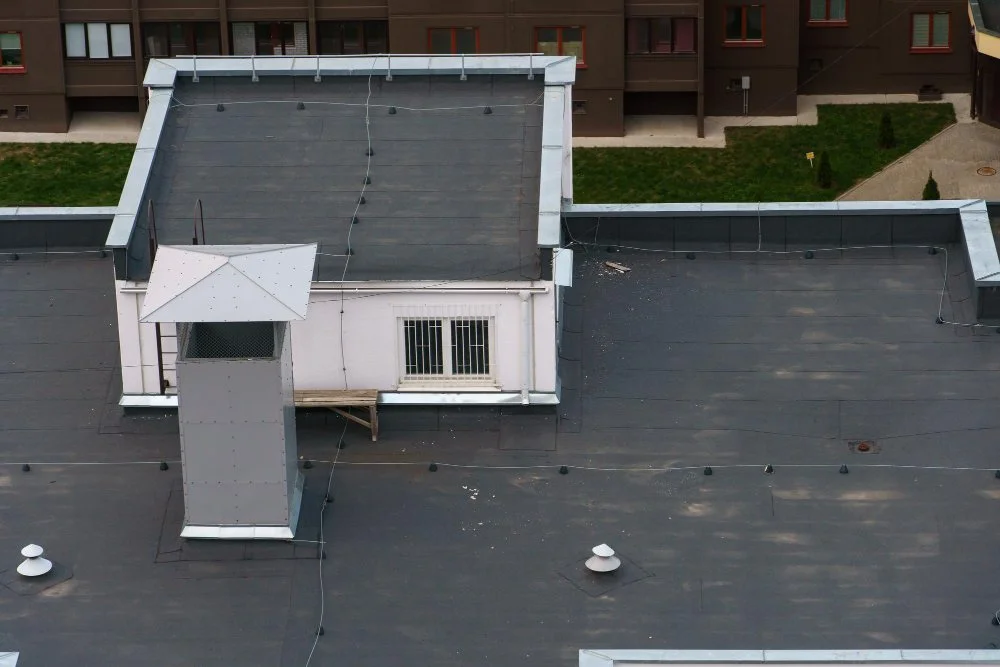
The best roofing system for many flat roofs is EPDM rubber roofing because it offers excellent waterproofing, flexibility, durability and low maintenance. However, GRP fibreglass, liquid-applied membranes and modified bitumen can also be excellent choices depending on the roof structure, budget, drainage and installation requirements. The ideal system should always be selected according to the property’s specific needs and installed by a qualified roofing professional.
Choosing the best roofing system for a flat roof is an important decision for any homeowner or property manager. A flat roof needs to cope with rainwater, changing temperatures, strong winds and everyday wear while providing reliable protection for the building below. With modern options including EPDM rubber roofing, GRP fibreglass, modified bitumen and liquid-applied membranes, selecting the right system can seem complicated. For property owners seeking dependable roofing solutions, Peak Performance Maintenance LTD. highlights the importance of choosing a system based on the roof’s structure, expected lifespan, budget and maintenance requirements.
Unlike steeply pitched roofs, flat roofs have very little natural slope for water to run away. Although they are not usually completely level, their gentle fall means that effective drainage is essential. If water remains on the surface for long periods, it can eventually contribute to leaks, material deterioration, algae growth and structural problems.
The right roofing system should therefore provide more than a waterproof surface. It should offer resistance to weather, accommodate normal building movement, withstand temperature changes and remain suitable for the particular design of the property.
A high-quality installation is equally important. Even the most advanced roofing material can fail prematurely if the roof deck is damaged, drainage is inadequate or the waterproofing is poorly installed.
There is no single roofing system that is perfect for every flat roof. However, EPDM rubber roofing is widely regarded as one of the most reliable all-round options for many domestic and commercial flat roofs because it combines durability, flexibility, waterproofing performance and relatively low maintenance.
That said, other systems can be better in specific circumstances. GRP fibreglass can provide a hard-wearing finish, liquid roofing can be useful for complex or difficult-to-access areas, while modified bitumen remains a popular choice for certain commercial and traditional applications.
The best system depends on the roof itself rather than simply choosing the most expensive or newest material.
EPDM stands for ethylene propylene diene monomer. It is a synthetic rubber membrane specifically designed to provide long-lasting waterproof protection.
One of the biggest advantages of EPDM is its flexibility. The material can expand and contract as temperatures change without becoming brittle easily. This makes it particularly useful in the UK’s variable climate.
EPDM offers several advantages for flat roofing projects:
Because EPDM membranes can cover large areas with relatively few seams, there are fewer potential weak points where water could enter.
Another benefit is that EPDM does not normally require regular coatings simply to maintain its waterproof properties. Routine inspections and keeping drainage systems clear can help preserve its performance for many years.
GRP, or glass-reinforced plastic, is another popular choice for flat roofs. It consists of fibreglass reinforcement combined with resin to create a strong, rigid waterproof surface.
A properly installed GRP roof can provide an attractive, seamless finish that is resistant to everyday weather exposure.
GRP is particularly appealing where homeowners want a robust and visually neat roofing surface. It can also be formed around certain roof details and may be suitable for garages, extensions, balconies and other applications.
Its key benefits include:
However, GRP is rigid compared with EPDM. This means the roof deck and installation method need to be suitable for the system. Movement in an unsuitable substrate can potentially cause problems over time.
Liquid roofing systems have become increasingly popular because they can be applied directly to an appropriately prepared existing roof surface. The liquid material forms a continuous waterproof membrane as it cures.
This can be particularly useful where a roof has complicated details, penetrations, edges or awkward sections that may be difficult to cover using large sheets.
A liquid-applied membrane can offer:
Preparation is critical, however. The existing surface must be assessed carefully before the coating or membrane is applied. Simply covering a damaged or wet roof without addressing the underlying problem can lead to further deterioration.
Modified bitumen is an evolution of traditional built-up felt roofing. It combines bitumen with polymer modifiers to improve flexibility, durability and weather resistance.
It remains a practical option for many flat roofing projects, particularly where a traditional felt-based system is preferred.
Modern modified bitumen products can provide dependable waterproofing when installed by experienced professionals. They are available in different forms and installation methods, allowing the system to be selected according to the building and roof design.
However, installation quality is particularly important. Poorly formed joints, inadequate detailing or incorrect application can create vulnerable areas.
The lifespan of a flat roof depends on several factors, including the material, installation quality, roof design, drainage, exposure to weather and maintenance.
A high-quality EPDM system can offer a long service life, while properly installed GRP, liquid-applied and modified bitumen systems can also provide many years of protection.
It is important not to judge a roofing system solely by its advertised lifespan. A premium material installed incorrectly may perform worse than a more affordable material installed properly.
Regular inspections can also make a major difference. Identifying damaged flashing, blocked outlets, loose edges or surface deterioration early can prevent relatively small issues from becoming expensive repairs.
The UK climate can be challenging for flat roofs because properties may experience heavy rainfall, strong winds, frost, occasional heatwaves and frequent changes in temperature.
For this reason, water resistance, flexibility and durability are particularly important.
EPDM is often a strong choice because its rubber membrane can accommodate thermal movement and provides reliable waterproofing. Liquid systems can also be useful where seamless detailing is a priority.
GRP can perform well when the roof construction and installation are suitable, while modified bitumen remains a dependable option for many projects.
The most appropriate choice should be based on the roof’s condition, location, structure and intended use.
Flat roof costs vary considerably. The final price can depend on:
Although it can be tempting to select the cheapest quotation, the lowest initial price does not necessarily represent the best long-term value.
A reliable roofing system should be viewed as an investment in the protection of the entire property. Spending more on quality materials and professional installation can help reduce the likelihood of premature repairs or replacement.
When replacing or upgrading a flat roof, insulation should not be overlooked. A well-designed roof can contribute to improved thermal efficiency and help regulate indoor temperatures.
In the UK, building regulations and project requirements can influence the appropriate insulation strategy. A roofing professional can assess the existing construction and recommend a suitable approach.
Improving insulation during a roof replacement can also be more practical than attempting to upgrade it later.
Material quality is only one part of the equation. Several factors determine how well a flat roof performs over time.
Water should be directed towards suitable outlets without unnecessary areas of standing water. Gutters, outlets and drainage channels should be kept clear.
Correct preparation, fixing, bonding, jointing and detailing are essential. The manufacturer’s installation requirements should be followed carefully.
A waterproof membrane cannot compensate for a severely damaged or unsuitable substrate. The roof deck should be inspected and repaired where necessary.
Edges, walls, vents, skylights, pipes and other penetrations require careful waterproof detailing. These areas can become common points of failure when poorly installed.
A flat roof should not simply be forgotten after installation. Periodic inspections can identify issues before they develop into serious defects.
When comparing the main systems, each has its own strengths.
EPDM is an excellent all-round choice where flexibility, durability and low maintenance are priorities.
GRP can be ideal where a hard, seamless and visually attractive finish is desired, particularly on suitable smaller roof structures.
Liquid roofing is useful for complex roof shapes, refurbishment projects and areas where seamless coverage is beneficial.
Modified bitumen can be a practical solution for traditional and commercial roofing applications where a robust membrane system is required.
The right answer is therefore not simply about choosing the most popular product. It is about matching the roofing technology to the building.
Some warning signs should never be ignored. These can include:
A single small defect does not automatically mean the entire roof needs replacing. In some cases, a targeted repair may be sufficient. However, when problems become widespread or the existing system has reached the end of its useful life, replacement may provide better long-term value.
Before making a final decision, consider the following questions:
What is the roof used for? A domestic extension may have different requirements from a commercial building or accessible roof terrace.
How long do you want the roof to last? If you are planning to remain in the property for many years, investing in a durable system may be worthwhile.
What is the condition of the existing roof? A refurbishment system may be appropriate in some cases, while extensive deterioration may require a complete replacement.
What is your budget? Consider both the installation price and the likely long-term maintenance costs.
How complicated is the roof? Multiple outlets, skylights, pipes, walls and unusual shapes may influence which system is most suitable.
Who will install it? Experienced installation is one of the most important factors affecting roof performance.
So, what is the best roofing system for flat roofs? For many properties, EPDM offers an excellent combination of durability, flexibility, waterproofing and low maintenance, making it a strong all-round choice. However, GRP, liquid-applied membranes and modified bitumen can all be excellent alternatives when they are correctly matched to the building and installed professionally.
The best flat roof is not necessarily the one with the highest price or the latest technology. It is the system that suits the structure, drainage, climate, budget and long-term requirements of the property. A professional assessment can help identify the most appropriate material and installation method before work begins.
EPDM rubber, GRP fibreglass, liquid-applied membranes and modern modified bitumen can all provide excellent durability. EPDM is often considered a particularly strong all-round option because of its flexibility and resistance to weathering.
EPDM can offer advantages such as greater flexibility, long-term weather resistance and fewer joints when installed correctly. However, modified bitumen and modern felt systems can still be suitable for certain properties and budgets.
A properly installed and maintained EPDM, GRP, liquid or modified bitumen system can provide many years of service. The actual lifespan depends on installation quality, roof design, exposure and maintenance.
Yes. GRP can be an excellent flat roofing material where the roof structure is suitable. It provides a strong, waterproof and seamless finish, making it particularly popular for garages, extensions and smaller flat-roof areas.
A flat roof should ideally be inspected periodically, particularly after severe weather. Regular checks can help identify blocked drainage, damaged membranes, loose edges and other problems before they become costly repairs.