- 59 Harwoods Road Watford, United Kingdom WD18 7RQ United Kingdom
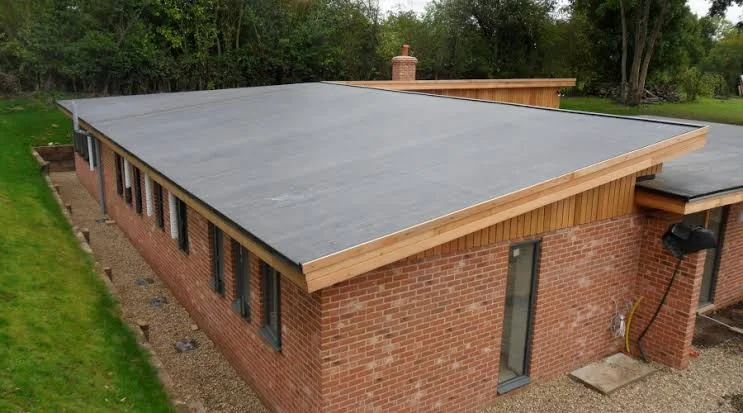
The benefits of flat roofing include cost-effective installation, easy maintenance, excellent accessibility, modern appearance, energy efficiency, durable waterproof materials, and additional usable roof space. Flat roofs are ideal for home extensions, garages, and commercial buildings, providing a practical, long-lasting, and low-maintenance roofing solution.
Flat roofing has become an increasingly popular choice for both residential and commercial properties across the UK. Thanks to its modern appearance, practical design, and cost-effective installation, a flat roof offers numerous advantages compared to traditional pitched roofs. Whether you’re building a new property, replacing an ageing roof, or planning an extension, understanding the benefits of flat roofing can help you make a well-informed decision. At Peak Performance Maintenance LTD., we know that choosing the right roofing system is essential for protecting your property while enhancing its appearance and long-term value.
Modern flat roofing systems have evolved significantly over the years. Today’s materials are more durable, weather-resistant, and energy-efficient than ever before, making flat roofs a reliable option for homeowners and businesses alike.
A flat roof is a roofing system with a very slight slope rather than being completely level. This gentle incline allows rainwater to drain efficiently while maintaining the clean, contemporary appearance that flat roofs are known for.
Flat roofs are commonly used on:
Modern flat roofs are typically constructed using durable materials such as EPDM rubber, fibreglass (GRP), or high-performance felt systems.
Flat roofs continue to grow in popularity because they combine affordability, practicality, and attractive modern styling.
They are especially suitable where additional usable roof space or simple maintenance is a priority.
With improvements in roofing materials and installation techniques, today’s flat roofs provide excellent performance and longevity.
One of the biggest advantages of flat roofing is its affordability.
Flat roofs generally require:
This often makes them a more budget-friendly option than traditional pitched roofs.
Because flat roofs have a simpler structure, they can often be installed more quickly.
This reduces:
A quicker installation also allows building projects to progress more efficiently.
Flat roofs are much easier to access than steeply pitched roofs.
Routine maintenance tasks such as:
can usually be completed more safely and efficiently.
Regular inspections help identify minor issues before they become expensive repairs.
Unlike sloping roofs, flat roofs provide safe access for maintenance contractors.
This makes it easier to install or service:
The accessible design is particularly beneficial for commercial properties.
One of the unique advantages of a flat roof is the opportunity to create additional functional space.
Depending on the building design, a flat roof can be used for:
This maximises the use of available space without increasing the building footprint.
Modern flat roofing systems often include high-performance insulation.
Good insulation helps:
This can contribute to reduced energy bills throughout the year.
Flat roofs offer a clean, minimalist design that complements contemporary architecture.
They are frequently chosen for:
Their sleek appearance creates a stylish finish.
Today’s flat roofing systems are manufactured using advanced materials designed to withstand the UK’s changing weather conditions.
Popular options include:
These materials provide excellent durability when professionally installed.
Modern flat roofs are designed to cope with:
Quality roofing systems offer long-lasting protection throughout the year.
Flat roofs are commonly used on:
They integrate seamlessly with existing buildings while maintaining a contemporary appearance.
Commercial properties often benefit significantly from flat roofing.
Advantages include:
Many warehouses, offices, schools, and retail units use flat roofing because of its practicality.
Homeowners increasingly choose flat roofs for extensions and renovations.
Common residential applications include:
Flat roofs provide a modern finish while remaining highly functional.
Routine maintenance is generally straightforward.
Simple inspections can help detect:
Addressing small issues early can significantly reduce repair costs over the roof’s lifespan.
Many modern flat roofing materials are environmentally responsible.
Some systems include:
These features help reduce the environmental impact of the building.
The lifespan depends on the material, installation quality, and maintenance.
With proper care:
Regular inspections help maximise the lifespan of any roofing system.
Several materials are available depending on your budget and project.
Benefits include:
Advantages include:
Modern felt roofing provides:
Proper maintenance helps extend the roof’s lifespan.
Recommended maintenance includes:
These simple steps help maintain optimal performance.
Flat roofing offers an excellent combination of affordability, durability, energy efficiency, and modern design. Whether installed on a home extension, garage, commercial property, or new-build project, a professionally fitted flat roof provides dependable protection while making efficient use of available space.
Thanks to advances in roofing technology, today’s flat roofs are stronger, more weather-resistant, and longer lasting than ever before. By selecting quality materials and ensuring professional installation, property owners can enjoy a practical roofing solution that delivers excellent value for many years.
Flat roofing offers affordable installation, easy maintenance, energy efficiency, modern appearance, excellent accessibility, and additional usable roof space.
Yes. Flat roofs are widely used on home extensions, garages, garden rooms, porches, and modern residential properties because they are practical and cost-effective.
The lifespan depends on the material used and maintenance, but professionally installed flat roofs can provide reliable protection for many years.
Yes. Modern flat roofing systems include high-quality insulation that helps reduce heat loss and improve energy efficiency, lowering heating costs
Popular choices include EPDM rubber, GRP fibreglass, and high-performance felt, each offering excellent waterproofing and durability depending on the project requirements.