- 59 Harwoods Road Watford, United Kingdom WD18 7RQ United Kingdom

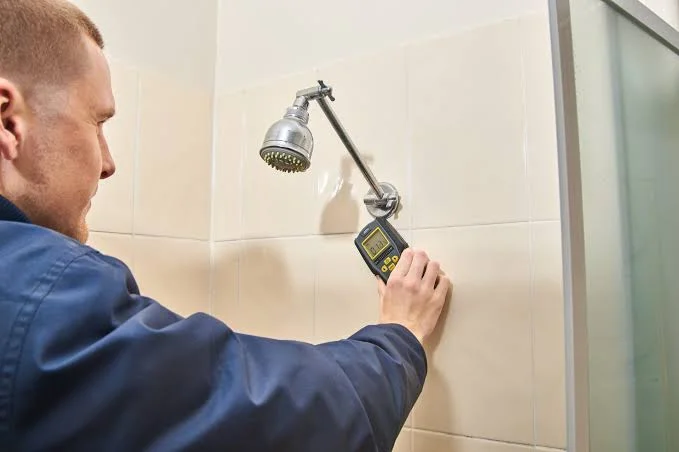
Leak detection is the process of locating hidden water leaks using specialist non-invasive technology such as thermal imaging, acoustic listening devices, moisture meters, tracer gas, and CCTV inspections. Professional leak detection helps prevent structural damage, reduce water bills, minimise property disruption, and identify leaks quickly and accurately before they become costly repairs.
Water leaks can occur in any property, often without immediate signs of damage. While a dripping tap or visible burst pipe is easy to spot, many leaks remain hidden behind walls, beneath floors, or underground, causing significant damage before they are discovered. This is where professional leak detection becomes invaluable. At Peak Performance Maintenance LTD., we understand how important it is to identify leaks quickly and accurately to minimise disruption and protect homes and commercial buildings from expensive repairs.
Leak detection is the process of locating hidden water leaks using specialist equipment and non-invasive techniques. Instead of guessing where the leak may be, professional engineers use advanced technology to pinpoint the exact location, allowing repairs to be carried out efficiently while avoiding unnecessary damage to the property.
Whether you own a house, manage a commercial building, or oversee a rental property, understanding leak detection can help you protect your investment and reduce long-term maintenance costs.
Leak detection is a professional service used to identify the source of water escaping from plumbing systems, heating systems, underground pipework, or roofing structures.
Unlike traditional methods that often involved removing floors, walls, or ceilings to search for the problem, modern leak detection uses specialist equipment to locate leaks with minimal disruption.
This approach saves time, reduces repair costs, and prevents unnecessary property damage.
Even a small water leak can cause serious issues if left untreated.
Hidden leaks may lead to:
Detecting leaks early helps prevent these problems and protects the overall condition of the building.
Leaks can develop for many reasons.
Some of the most common causes include:
Understanding the cause helps engineers recommend the most suitable repair.
Professional leak detection begins with an inspection of the property.
Engineers assess visible signs of water damage before using specialist equipment to identify the leak.
Depending on the situation, they may use several detection methods to confirm the precise location.
The aim is always to locate the leak without unnecessary drilling or demolition.
Modern leak detection uses a range of advanced technologies.
This method uses highly sensitive listening equipment to detect the sound of water escaping from pressurised pipes.
It is particularly effective for:
Thermal imaging cameras identify temperature differences caused by escaping water.
They help locate leaks hidden behind:
Because no surfaces need to be removed, thermal imaging is considered one of the least invasive techniques.
Moisture meters measure the amount of moisture inside building materials.
They help identify damp areas that may indicate hidden leaks.
These devices are commonly used on:
Tracer gas is safely introduced into pipework before specialist sensors detect where the gas escapes.
This method is particularly useful for:
Where drainage problems are suspected, CCTV cameras are inserted into drains and pipes.
This allows engineers to identify:
The recorded footage provides an accurate assessment without excavation.
Many leaks remain hidden for weeks or months.
Common warning signs include:
If you notice any of these issues, arranging professional leak detection can prevent further damage.
Professional leak detection offers several important advantages.
Specialist equipment allows engineers to pinpoint leaks with precision.
This avoids unnecessary guesswork.
Modern techniques reduce the need to remove floors, walls, or ceilings.
This keeps repair costs lower.
Once the leak has been accurately located, repairs can begin immediately.
Stopping hidden leaks prevents unnecessary water waste and helps reduce monthly utility costs.
Early leak detection protects:
Preventative action is always more affordable than major structural repairs.
Leak detection is suitable for many types of properties.
These include:
It can also be used on:
Traditional leak finding often involved breaking through walls or lifting floors until the damaged pipe was discovered.
Modern leak detection is far more efficient.
Advantages include:
This makes professional leak detection the preferred choice for most property owners.
Although not every leak can be prevented, regular maintenance helps reduce the risk.
Simple preventative measures include:
Preventative maintenance often saves significant repair costs in the future.
When selecting a leak detection specialist, consider:
A professional company will accurately locate the leak while minimising disruption to your property.
Leak detection is an essential service that helps identify hidden water leaks quickly, accurately, and with minimal disruption. Using advanced technologies such as thermal imaging, acoustic listening devices, tracer gas, moisture meters, and CCTV surveys, engineers can locate leaks without causing unnecessary damage to walls or floors.
Early leak detection protects your property from damp, mould, structural damage, and rising water bills while reducing repair costs and preserving the long-term condition of your home or business. Investing in professional leak detection provides peace of mind and ensures problems are resolved before they become far more expensive to repair.
Leak detection is the process of locating hidden water leaks using specialist equipment such as thermal imaging cameras, acoustic listening devices, moisture meters, tracer gas, and CCTV inspections.
Professionals use non-invasive technologies to identify leaks without unnecessary damage to walls, floors, or ceilings, allowing repairs to be completed more efficiently.
Common signs include damp patches, mould growth, unusually high water bills, low water pressure, peeling paint, musty smells, and water stains on walls or ceilings.
Yes. Professional leak detection helps prevent costly structural damage, reduces water waste, lowers repair costs, and accurately identifies leaks before they become major problems.
Yes. Modern leak detection equipment can accurately locate leaks in underground water pipes, central heating systems, and external pipework without extensive excavation.