- 59 Harwoods Road Watford, United Kingdom WD18 7RQ United Kingdom
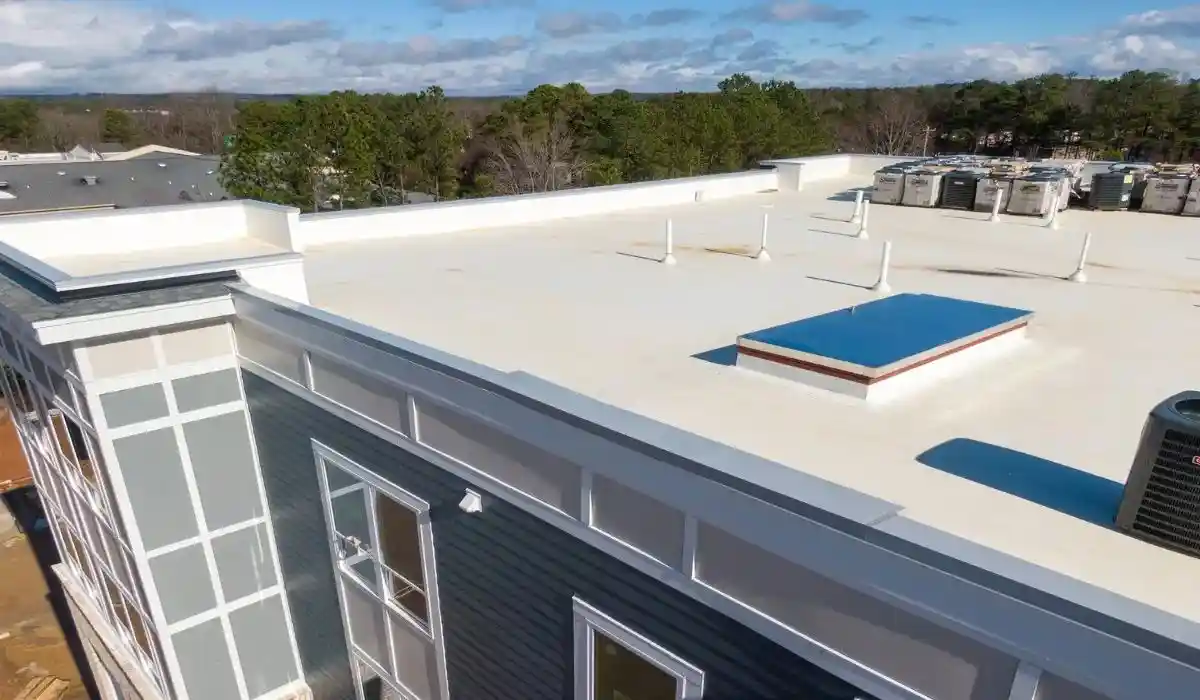
Flat roofing can be constructed using EPDM rubber, felt roofing, GRP fibreglass, PVC membranes, TPO roofing, liquid roofing systems, lead, and zinc materials. Each option offers different benefits in terms of durability, weather resistance, maintenance requirements, and cost, making it important to choose the right material based on your property and budget.
Flat roofing has become an increasingly popular choice for residential, commercial, and industrial buildings across the UK. Its sleek appearance, practical design, and cost-effective installation make it a preferred option for homeowners and property developers alike. However, one of the most important decisions when installing or replacing a flat roof is choosing the right roofing material.
Different flat roofing materials offer different levels of durability, weather resistance, maintenance requirements, and overall lifespan. Some are designed for long-term performance, while others provide affordable short-term solutions. Understanding the available materials can help property owners make informed decisions based on budget, climate conditions, and building requirements.
In this detailed guide, we will explore the most commonly used flat roofing materials, their advantages, disadvantages, costs, and suitability for different types of properties.
A flat roof may appear simple, but it plays a major role in protecting a property from rain, wind, UV exposure, and temperature fluctuations. Poor-quality materials or incorrect installation can lead to leaks, standing water, insulation problems, and structural damage.
The right roofing material can provide:
Modern flat roofing systems are designed to withstand harsh British weather conditions while maintaining strong performance for many years.
EPDM, also known as Ethylene Propylene Diene Monomer, is one of the most widely used flat roofing materials in the UK. It is a synthetic rubber membrane known for its flexibility and durability.
EPDM is particularly effective for residential properties because it performs well during both hot summers and freezing winters.
Despite these minor drawbacks, EPDM remains one of the most reliable flat roofing materials available today.
Traditional felt roofing has been used for decades and remains a common option for garages, sheds, and extensions. Modern felt systems are far more advanced than older versions and now include reinforced layers for added strength.
Felt roofing is often chosen for budget-friendly projects where affordability is the main priority.
GRP stands for Glass Reinforced Plastic, commonly known as fibreglass roofing. This material creates a seamless, waterproof surface that is highly durable and visually appealing.
GRP roofing is particularly popular for home extensions, balconies, and residential flat roofs.
When properly installed, fibreglass roofing provides excellent long-term performance.
PVC roofing systems are commonly used on commercial buildings due to their durability and energy efficiency. PVC membranes are manufactured using flexible plastic materials that provide strong waterproof protection.
PVC roofing is ideal for commercial properties requiring strong durability and low maintenance.
Thermoplastic Polyolefin, or TPO roofing, is another single-ply membrane system growing in popularity throughout the UK roofing industry.
TPO roofing is often chosen for modern commercial buildings and environmentally conscious projects.
Asphalt-based roofing systems have been used for many years due to their waterproofing capabilities and affordability.
Although less common than modern membrane systems, asphalt roofing still has practical applications.
Liquid roofing involves applying a liquid waterproof coating directly onto the roof surface. Once cured, the coating forms a seamless protective membrane.
Liquid systems are increasingly used for refurbishment projects and roof repairs.
Green roofs combine waterproof roofing materials with vegetation and planting systems. These roofs are becoming more popular in urban developments.
Green roofs are particularly suitable for environmentally focused construction projects.
Lead remains a traditional flat roofing material commonly used on heritage buildings and certain architectural projects.
Lead roofing is generally reserved for premium or historic properties.
Zinc roofing offers a modern and highly durable flat roofing solution.
Zinc roofing is often selected for high-end residential and commercial developments.
Among the most durable flat roofing materials are:
These materials can last between 30 and 50 years or more when properly installed and maintained.
The lifespan of any flat roof also depends on:
Felt roofing is generally considered the most affordable flat roofing option. It offers relatively low installation costs and straightforward repairs.
However, cheaper materials may require more maintenance and earlier replacement, which can increase long-term costs.
Investing in higher-quality materials often provides better value over time.
No matter which roofing material is chosen, regular maintenance is essential to maximise roof lifespan.
Important maintenance steps include:
Routine inspections help identify problems before they become major structural issues.
Even the best roofing material can fail if installed incorrectly. Choosing an experienced roofing contractor is essential for ensuring quality workmanship and long-term roof performance. Peak Performance Maintenance LTD. provide expert flat roofing solutions tailored to different property types and budgets.
When selecting a roofing contractor, always consider:
Proper installation is just as important as the roofing material itself.
Many different materials can be used for flat roofing, each offering unique benefits and limitations. The right choice depends on your budget, property type, maintenance expectations, and long-term goals.
EPDM rubber, GRP fibreglass, PVC membranes, and modern liquid roofing systems remain among the most popular options due to their durability and weather resistance. Traditional felt roofing still offers an affordable solution for smaller projects, while premium materials such as zinc and lead provide exceptional longevity and visual appeal.
Before making a decision, it is always wise to consult experienced roofing professionals who can assess your property and recommend the most suitable solution for your needs.
A well-installed flat roof using high-quality materials can provide reliable protection, energy efficiency, and peace of mind for decades.
EPDM rubber roofing is often considered one of the best flat roofing materials due to its durability, weather resistance, and long lifespan.
The lifespan depends on the material used. EPDM, PVC, and fibreglass roofs can last between 20 and 50 years with proper maintenance.
Yes, modern felt roofing systems are still widely used for garages, sheds, and smaller residential projects due to their affordability.
Felt roofing is generally the most affordable flat roofing material available in the UK.
Flat roofs can develop leaks if poorly installed or poorly maintained, but modern roofing systems are highly reliable when professionally fitted.